

Spend enough time attending corporate events and you’ll notice a pattern: companies pour huge amounts into location and catering, then invest almost nothing in how people will actually interact once they’re in the room. It’s the fastest way to burn through a budget without anyone remembering much about the day. Instead of following the well-worn path that many events still take, choose differently and put the format at the centre of the investment.
Location can’t rescue a tired format
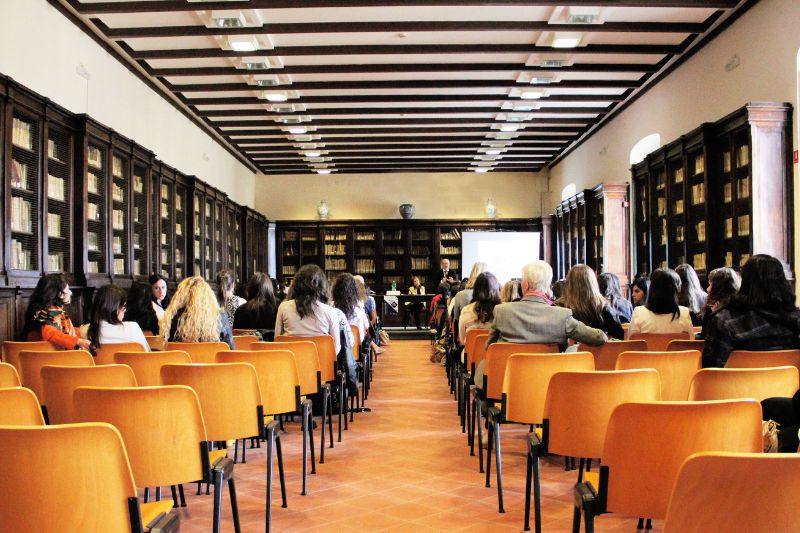
No matter how impressive a historic residence may be, nothing can compensate for the damage caused by a PowerPoint presentation built around an endless sequence of slides, or by a succession of speeches delivered by speakers with little sense of rhythm, timing, or restraint.

Contact us to plan your next corporate event!
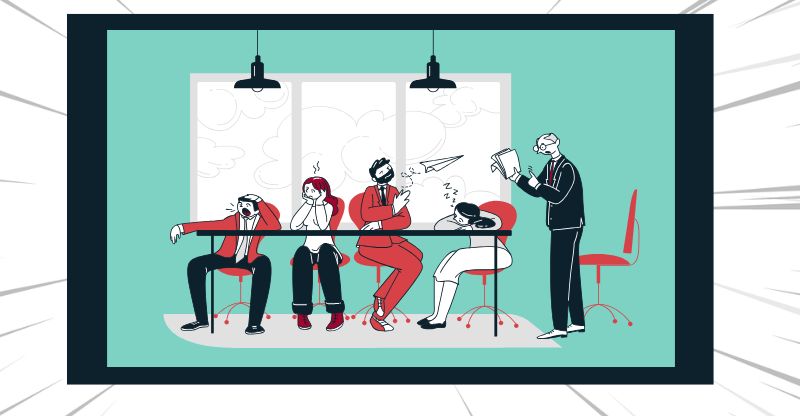
The failure of the event, despite all the effort invested around it, will quickly become visible: an audience half-asleep, participating with the same enthusiasm usually reserved for a wake. And don’t rely on the catering to rescue the situation. Not even a river of excellent prosecco or a selection of gourmet delicacies can save a poor format. At best, attendees will use the alcohol to soften their frustration or turn to the food as a distraction from an experience that has failed to give them any real reason to be there. It’s not ideal, is it?
The “content” of the experience, and above all the way participants respond to it, matters more than anything else. It cannot be treated as the leftover category to which the remaining time and budget are assigned. Engagement has to happen early, because the first few minutes often determine whether people become active participants or settle into the safer role of passive observers, perhaps waiting for the first opportunity to escape into those liminal spaces where even an improvised conversation can feel more compelling than what is happening on stage.

Attendees have stopped accepting the role of spectator
Most event professionals consider attendee engagement the key indicator of an event’s success, so why do so many events still fail to prioritise it?
When attendees are genuinely engaged, they retain information more effectively, stay focused for longer, build stronger relationships and, in the case of business events, are more likely to turn connections into opportunities. Despite this, we still see far too many poorly designed events with an audience of “hostages” who are bored to death, probably wishing they had woken up with a conveniently timed fever or even missing that Teams meeting they had considered the worst part of their week only a day earlier.
Effective formats require pace and variety, not an endurance test. Shorter sessions, different structures and carefully planned breaks help maintain concentration throughout the day, alternating for example between keynotes and informal conversations, hands-on activities and moments of decompression. Above all, they prevent the audience from drifting into that grey area where people nod out of politeness, take notes out of habit and simply wait for the moment they can finally leave the room.

But creating this kind of experience requires skilled professionals. And those professionals cannot deliver their best work if the investment has already been spent almost entirely on catering and location.
Courage is the actual ingredient missing
Choosing an innovative format means accepting a certain degree of risk, but that risk is far smaller than the one you take every time you squander your budget without investing in what truly defines your event.
It means moving away from the comfortable, predictable formula that has been repeated for years across the corporate world, producing events that increasingly look alike and feel just as forgettable. It means creating something different and, above all, investing in professionals capable of supporting a more ambitious approach with proven expertise and the right tools.
Allocating part of your budget to the quality of interaction allows you to create events that people genuinely want to attend. It also reveals a simple truth: overlooking the experience of participants is a costly mistake, but one that can still be corrected, provided there is the courage to change.
Organize a team-building event for your company. Contact us!
Leave a reply